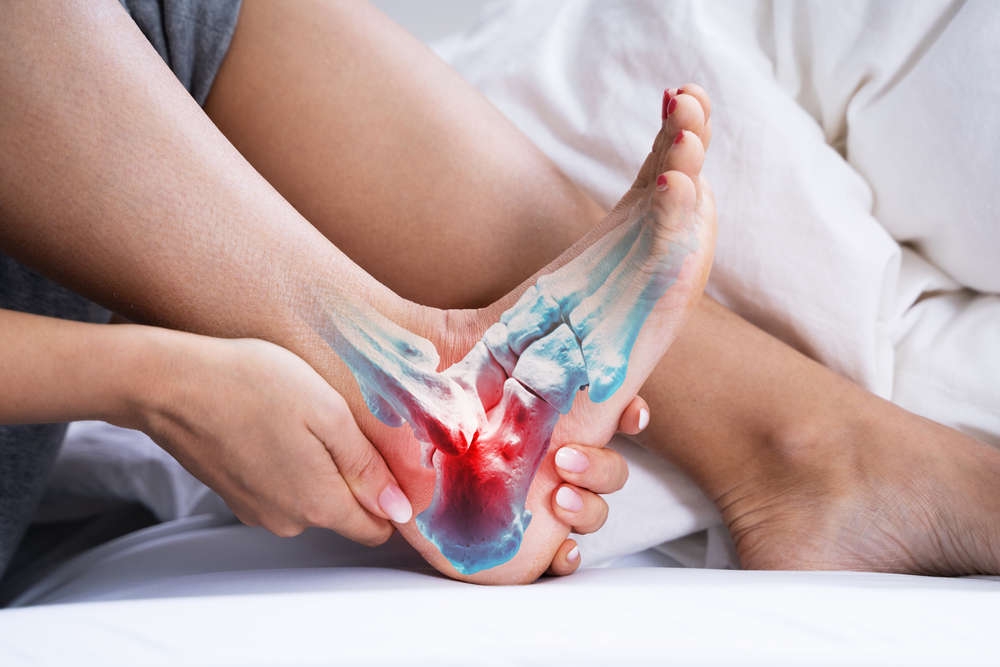

Imagine gliding through life with ease, each step and movement unburdened by joint pain. Joint health is crucial for maintaining a high quality of life, as it affects everything from daily activities to long-term mobility. This article reveals surprising lifestyle hacks that can lead to stronger joints and better mobility—without the need for invasive treatments or complex regimens.
Incorporating practices like low-impact exercises, yoga, and Pilates can dramatically improve joint function and flexibility. Alongside these activities, tailoring your diet to include joint-friendly nutrients and maintaining hydration are simple adjustments with significant payoffs. This guide also delves into the benefits of strength training, the importance of proper body mechanics, and how avoiding repetitive movements can contribute to healthier joints.
By adopting these strategies and consulting with professionals, you can design a personal plan for enduring joint health. We explore holistic approaches and exercise programs that cater specifically to your needs, ensuring long-term benefits and pain-free living.
Understanding Joint Health and Mobility
Understanding joint health and mobility is essential for maintaining quality of life as you age. Incorporating regular exercise and physical activity is key. Here’s how you can keep your joints healthy:
- Strength Training: Building muscle mass helps support your joints and reduces the risk of injury.
- Low-Impact Exercises: Activities like swimming and cycling improve joint function without stressing your joints.
- Flexibility Exercises: Stretching keeps muscles flexible, enhancing range of motion.
- Balanced Diet: A diet rich in nutrients supports joint health and helps maintain a healthy weight.
- Daily Movement: Engage in daily activities to promote blood flow and reduce joint pain.
| Exercise Type | Benefits |
|---|---|
| Strength Training | Increases muscle strength |
| Low-Impact Activities | Reduces joint stress |
| Flexibility Exercises | Improves range of motion |
Chronic conditions and joint diseases can lead to joint issues. Consult a physical therapist to create personalized exercise routines. By understanding and implementing these strategies, you can maintain mobility and a pain-free life as you age.
The Role of Low-Impact Exercises
Low-impact exercises are key to maintaining joint health and mobility as you age. These exercises minimize the risk of injury while improving joint function. Activities such as walking, swimming, and cycling promote blood flow and flexibility without stressing the joints. They help maintain a healthy weight, which reduces pressure on joints and decreases the risk of joint pain and other issues.
Here’s a list of benefits of low-impact exercises:
- Improves Range of Motion: Keeps joints flexible and supple.
- Increases Muscle Strength: Supports joint stability and function.
- Enhances Blood Flow: Aids in joint nourishment and health.
- Prevents Loss of Muscle Mass: Crucial for maintaining muscle strength.
Incorporating these activities into your daily routine can boost your quality of life and decrease the likelihood of developing chronic conditions. Low-impact exercises can be part of a balanced exercise routine tailored to your individual needs. Consider consulting a physical therapist to personalize your regimen, ensuring your joints remain healthy and mobile over time.
Benefits of Yoga for Joint Flexibility
Yoga can be an excellent way to enhance joint flexibility and maintain mobility as you age. This low-impact exercise helps improve range of motion and joint function, reducing the risk of injury and joint pain.
Here’s a simple breakdown of yoga’s benefits for joint health:
| Benefit | Description |
|---|---|
| Increased Flexibility | Yoga stretches the muscles and joints, improving overall flexibility. |
| Improved Blood Flow | Poses boost circulation, which nourishes joints and aids in detoxification. |
| Enhanced Muscle Strength | Building muscle supports joints and lessens the burden on them. |
| Reduced Chronic Pain | Regular practice can alleviate pain related to arthritis and other conditions. |
Incorporating yoga into your routine can also help with loss of muscle mass as you age. Yoga encourages the use of different muscle groups, improving both muscle strength and joint flexibility. Some ideal yoga poses for joint health include:
- Cat-Cow stretches the spine.
- Warrior poses strengthen legs.
- Child’s Pose relaxes the body.
By including a balanced diet rich in nutrients alongside regular yoga practice, you can keep your joints healthy and enjoy a higher quality of life. Always consult a physical therapist if you have chronic conditions or specific joint issues.
Exploring Pilates for Core and Joint Strength
Pilates is a low-impact exercise that benefits core and joint strength. By focusing on controlled movements, it helps improve joint health and mobility without risking injury.
Benefits of Pilates for Joint and Core Strength
- Improved Flexibility: Pilates increases range of motion, which is crucial for joint function.
- Enhanced Muscle Mass: The exercises target core muscles, aiding in the maintenance of muscle mass.
- Better Posture and Alignment: This helps reduce joint pain caused by incorrect posture.
Sample Pilates Exercises
| Exercise | Target Area |
|---|---|
| Plank | Core, Shoulders |
| Leg Circles | Hips, Core |
| Spine Stretch | Back, Shoulders |
| Knee Fold | Hips, Core |
Incorporating Pilates into your routine can prevent joint issues. It suits all ages and fitness levels, making it a flexible part of daily activities. Regular practice supports a healthy weight and boosts blood flow, key components for healthy joints and a high quality of life.
For best results, consult a physical therapist to tailor a program suited to your needs.
Tai Chi: Gentle Movements for Longevity
Tai Chi is an ancient practice that offers gentle movements to promote longevity. Known for its low-impact nature, Tai Chi is ideal for maintaining joint health and mobility as you age. It involves slow, flowing movements that enhance blood flow and reduce joint pain. This practice helps maintain a healthy weight and improves joint function without straining your body.
Benefits of Tai Chi:
- Increases Range of Motion: The movements help improve flexibility and joint function.
- Boosts Muscle Mass: Regular practice strengthens muscles without loss of muscle mass.
- Promotes Balance: Enhances coordination, reducing the risk of injury.
- Supports Mental Health: Reduces stress and improves the quality of life.
| Benefits | Impact on Health |
|---|---|
| Joint Health | Reduces joint pain, improves flexibility |
| Low-Impact Exercise | Promotes gentle movement, decreases risk of injury |
| Stress Relief | Enhances mental well-being |
Practicing Tai Chi fits well into daily activities. It requires no special equipment and can be done anywhere, making it a convenient choice for those looking to maintain healthy joints and avoid chronic conditions. Add Tai Chi to your exercise routine for a balanced approach to aging well.
Strength Training for Joint Support
As we age, our joints need extra care to maintain mobility and prevent damage. Strength training is vital for joint health. It improves joint function by increasing muscle mass and strength. Here’s how it helps:
- Enhances Stability: Strong muscles support joints, reducing stress on ligaments and tendons.
- Promotes Range of Motion: Regular exercise helps maintain flexibility, essential for daily activities.
- Reduces Risk of Injury: By strengthening the body, you are less prone to falls or other injuries.
- Supports Healthy Weight: Maintaining a healthy weight decreases stress on weight-bearing joints.
Recommended Exercises:
| Exercise Type | Benefits |
|---|---|
| Low-Impact | Gentle on joints; includes swimming, cycling |
| Flexibility | Improves range of motion; includes yoga |
| Strength Training | Enhances muscle strength; includes weights |
Remember to consult a physical therapist for tailored exercise routines. They can help you balance strength training with low-impact activities. It’s important that exercises fit into your lifestyle to maintain long-term joint health and quality of life.
Staying Active Throughout the Day
Staying active throughout the day is crucial for maintaining joint health and mobility as you age. Regular exercise is key, but daily movement also plays a vital role. Engage in low-impact activities like walking, swimming, or cycling. These exercises improve blood flow and joint function without adding stress.
Here’s a simple routine to keep joints healthy:
- Morning: Start your day with stretching to enhance flexibility.
- Midday: Take short walks during breaks to boost your range of motion.
- Evening: End with strength training to maintain muscle mass and joint stability.
A balanced diet is just as important. A diet rich in nutrients supports joint function and helps maintain a healthy weight. This reduces the risk of injury and chronic pain.
Consider consulting a physical therapist to tailor exercises to your needs. They can help you manage joint pain and chronic conditions effectively. Prioritize these activities to improve quality of life and keep joints healthy as you age.
| Activity | Benefits |
|---|---|
| Stretching | Increases flexibility |
| Low-impact | Boosts joint function |
| Strength | Maintains muscle mass and strength |
Staying active daily ensures healthy joints and decreases the risk of joint diseases.
Designing a Joint-Friendly Diet
To design a joint-friendly diet, begin by focusing on foods that reduce inflammation and support joint health. Include plenty of omega-3 rich foods like salmon and walnuts, as these help alleviate joint pain and stiffness.
Key Nutrients for Joint Health:
| Nutrient | Sources |
|---|---|
| Omega-3 Fatty Acids | Fish, flaxseeds, walnuts |
| Vitamin D | Fortified milk, sunlight, eggs |
| Calcium | Dairy, leafy greens, almonds |
| Antioxidants | Berries, green tea, spinach |
A diet rich in fruits, vegetables, whole grains, and lean proteins is crucial. These foods help maintain a healthy weight, reducing stress on joints. Limit processed foods and sugars as they can increase the risk of joint diseases.
Tips for a Joint-Friendly Diet:
- Stay hydrated: Drink plenty of water to keep joints lubricated.
- Balance your diet: Incorporate a mix of proteins, carbs, and fats.
- Avoid repetitive movements: Mix your physical activities to prevent strain.
By choosing foods that support joint function, you can maintain your range of motion and improve your quality of life as you age.
Importance of Omega-3 Fatty Acids
Omega-3 fatty acids are crucial for maintaining overall health. These essential fats support heart function and may reduce the risk of heart disease. They also have anti-inflammatory properties, helping to keep your joints healthy.
Benefits of Omega-3 Fatty Acids
- Heart Health: Omega-3s can lower blood pressure and cholesterol levels.
- Joint Health: Reduce joint pain and stiffness, improving joint function.
- Mental Health: Enhance mood and cognitive function.
Including omega-3-rich foods in your diet is important. Fatty fish like salmon, mackerel, and sardines are excellent sources. Plant-based options include flaxseeds and walnuts.
| Omega-3 Rich Foods | Examples |
|---|---|
| Fatty Fish | Salmon, Mackerel, Sardines |
| Plant-Based Sources | Flaxseeds, Chia Seeds, Walnuts |
Incorporating omega-3s into your daily routine supports a balanced diet. Aim for at least two servings of fish weekly, or consider supplements if needed. This approach will help to maintain mobility and improve your quality of life as you age. Omega-3s play a vital role in keeping both your brain and joints in top condition.
Hydration: A Key Component of Joint Health
Hydration is vital for maintaining joint health and function. Water acts as a lubricant for your joints, promoting smooth movement and reducing friction. Staying hydrated helps maintain the cushioning effect of cartilage, thus protecting you from joint pain and damage.
Benefits of Hydration for Joint Health:
- Improves joint lubrication
- Enhances nutrient delivery
- Reduces inflammation
A diet rich in fruits and vegetables can contribute to your daily water intake. To support healthy joints, aim to drink at least eight glasses of water per day.
Here’s a quick comparison to visualize hydration’s impact on joints:
| Hydration Level | Joint Condition |
|---|---|
| Optimal | Reduced pain, improved movement |
| Low | Stiff, painful joints |
Dehydration can increase the risk of joint issues and chronic pain. To maintain mobility and enhance your quality of life, include water-rich foods in your meals. Regular physical activity and daily movement also improve blood flow, aiding in joint function.
In summary, keeping hydrated promotes joint health and helps preserve your range of motion as you age.
Maintaining a Healthy Weight
Maintaining a healthy weight is crucial for joint health and overall mobility as you age. Excess weight can increase joint pain and risk of injury, while putting stress on your joints. Here are some tips to help keep a healthy weight:
- Balanced Diet: Focus on a diet rich in fruits, vegetables, lean proteins, and whole grains. This provides the essential nutrients needed for joint function and prevents chronic conditions.
- Regular Exercise: Engage in physical activity regularly. Aim for low-impact exercises like walking, swimming, or cycling to keep your joints healthy without excessive strain.
- Strength Training: Include exercises to build muscle strength. This helps support your joints and maintain muscle mass, reducing the risk of chronic pain.
- Daily Movement: Incorporate flexibility exercises into your routine to improve the range of motion and blood flow around your joints.
- Portion Control: Be mindful of serving sizes to avoid overeating, which can contribute to weight gain and joint issues.
By focusing on these habits, you can maintain a healthy weight and support your joints throughout the aging process. This leads to better joint health and quality of life.
Reducing Repetitive Movements
Reducing repetitive movements is key to maintaining healthy joints and preventing joint damage as you age. Repetitive movements can lead to strain and fatigue in your joints, increasing the risk of joint pain and chronic conditions.
Ways to Reduce Repetitive Movements:
- Vary Your Tasks: Alternate tasks throughout the day to prevent overuse of specific joints.
- Improve Ergonomics: Use ergonomic tools and setups in work and daily activities.
- Take Breaks: Regular breaks help reduce strain during repetitive tasks.
- Stretch Regularly: Flexibility exercises can improve joint function and blood flow.
Tips for Joint-Friendly Workspaces:
| Task | Modification |
|---|---|
| Typing | Use an ergonomic keyboard |
| Standing for long | Use anti-fatigue mats |
| Desk work | Ensure chair and desk are at proper height |
Regular exercise and strength training can further support joint health by improving muscle mass and range of motion. Physical therapists often suggest low-impact activities, like swimming or cycling, that keep joints healthy without high stress. Maintaining a balanced diet rich in nutrients also helps support joint and muscle strength.
Practicing Proper Body Mechanics
Practicing proper body mechanics can help prevent joint damage and maintain mobility as you age. Here are some tips to consider:
- Maintain Good Posture: Stand and sit up straight to keep your joints aligned.
- Lift Correctly: Bend your knees, not your waist, and keep the item close to your body.
- Use Your Legs: When lifting, let your powerful leg muscles do the work.
- Avoid Twisting: Turn with your feet, not your waist, to reduce stress on your joints.
- Balance Your Load: Carry items evenly on both sides to prevent muscle strain.
Here is a simple exercise routine to support joint health:
| Exercise | Type | Benefit |
|---|---|---|
| Walking | Low-impact | Improves blood flow |
| Swimming | Low-impact | Enhances flexibility |
| Yoga | Flexibility | Boosts range of motion |
| Light Strength Training | Muscle strength | Maintains muscle mass |
Remember to integrate these practices into your daily activities. Coupled with a balanced diet rich in nutrients, they will help you keep your joints healthy and reduce the risk of injury. Proper body mechanics ensure optimal joint function and improve your quality of life as you age.
Consulting with Physical Therapists
Consulting with a physical therapist is a great way to maintain joint health and mobility as you age. Physical therapists are skilled in assessing and improving joint function. They design personalized exercise routines that focus on increasing range of motion, muscle strength, and flexibility. These routines can help reduce joint pain and improve the quality of life.
Regular exercise, especially low-impact activities like swimming or walking, can prevent joint issues and reduce the risk of injury. Physical therapists can guide you in incorporating these exercises into your daily activities. They also focus on preventing loss of muscle mass, which is crucial for supporting healthy joints.
A balanced diet is essential for joint health. A diet rich in nutrients supports joint function and enhances blood flow. Consulting with a therapist can also help manage chronic conditions or chronic pain. They can suggest modifications to activities and movements to prevent further joint damage.
Here’s a quick list of benefits you might gain by consulting a physical therapist:
- Improved range of motion
- Increased muscle strength
- Reduced joint pain
- Better joint function
- Customized exercise routines
By seeking their expertise, you can maintain mobility and keep your joints healthy as you age.
Manual Therapy for Pain Relief
Manual therapy can be a powerful tool for pain relief and improving joint function. This hands-on technique, often used by physical therapists, helps enhance blood flow and flexibility. Better blood flow encourages healing, while increased flexibility can improve range of motion.
Key benefits of manual therapy include:
- Reduced joint pain: By gently manipulating tissues, pain in joints and muscles can be alleviated.
- Improved joint health: Regular sessions may help prevent joint diseases and chronic conditions.
- Enhanced quality of life: Increased mobility leads to easier daily activities and a better overall life.
Different types of manual therapy methods include massage, stretching, and mobilization. These techniques are tailored to suit individual needs and conditions.
| Benefits of Manual Therapy | Techniques Used |
|---|---|
| Reduced joint pain | Massage |
| Improved joint health | Stretching |
| Enhanced quality of life | Joint mobilization |
Individuals suffering from joint pain are encouraged to consult their physical therapist. A personalized plan can be developed to suit one’s specific needs, incorporating manual therapy as a pivotal component.
Importance of Custom Exercise Programs
Custom exercise programs are crucial for maintaining joint health and mobility, especially as we age. These programs cater to individual needs, focusing on preventing joint damage and enhancing joint function.
Benefits of Custom Exercise Programs:
- Personalized Approach: Tailored to your specific joint issues and physical therapist recommendations.
- Enhanced Joint Health: Improves joint pain and promotes healthy joints by accommodating your range of motion.
- Reduced Risk of Injury: Focuses on safe, low-impact exercise that minimizes repetitive movements and risk of injury.
- Strength and Flexibility: Incorporates strength training to prevent loss of muscle mass, and includes flexibility exercises to maintain joint function.
- Improved Quality of Life: Supports daily activities and fosters greater independence.
| Key Focus | Benefits |
|---|---|
| Low-Impact Activities | Lessens stress on joints |
| Regular Exercise | Boosts blood flow and muscle mass |
| Balanced Diet | Supports healthy weight and joint health |
Following a custom exercise program helps in managing chronic conditions and reduces the likelihood of joint diseases. Working with a physical therapist ensures the program is safe and effective, supporting a high quality of life and daily movement well into older age.
Implementing a Holistic Lifestyle Approach
Implementing a holistic lifestyle approach is key to preventing joint damage and maintaining mobility as you age. It involves various elements working together to support joint health.
Key Elements of a Holistic Approach:
- Regular Exercise:
- Engage in low-impact activities like swimming or cycling.
- Strength training and flexibility exercises boost muscle strength and joint function.
- Balanced Diet:
- Consume a diet rich in fruits, vegetables, lean proteins, and healthy fats.
- Maintain a healthy weight to reduce stress on joints.
- Daily Movement:
- Incorporate physical activity into daily activities to enhance blood flow and reduce stiffness.
- Avoid repetitive movements that may strain joints.
- Quality Sleep:
- Ensure you get enough restful sleep to aid in recovery and repair of tissues.
- Professional Guidance:
- Consult with a physical therapist for personalized exercise routines.
- Regular check-ups can help monitor and manage joint issues.
By integrating these elements, you can improve your quality of life and keep your joints healthy as you age. It’s about balance and consistency in your daily habits.
Summary of How to Prevent Joint Damage and Maintain Joint Health
Maintaining joint health as you age is crucial for preserving your quality of life. Regular exercise, especially low-impact activities like swimming or walking, helps improve joint function and flexibility. Aim to include strength training to maintain muscle mass and support your joints.
A balanced diet plays a significant role too. Consuming foods rich in nutrients like Omega-3 fatty acids and antioxidants can support joint health. Maintaining a healthy weight lowers the risk of joint pain and chronic conditions by reducing stress on your joints.
Physical therapists recommend incorporating flexibility exercises and routines to enhance range of motion and prevent joint issues. Daily movement and avoiding repetitive movements can also decrease the risk of injury or joint diseases.
Here’s a quick list of benefits:
- Improved Mobility: Regular physical activity keeps your joints flexible.
- Reduced Pain: Consistent exercise can lower joint pain and chronic pain.
- Better Blood Flow: Being active supports circulation, promoting healthy joints.
- Stronger Muscles: Strength training increases muscle strength, thereby protecting your joints.
These practices not only preserve the function of your joints but also ensure you can enjoy your daily activities with less discomfort as you age.