
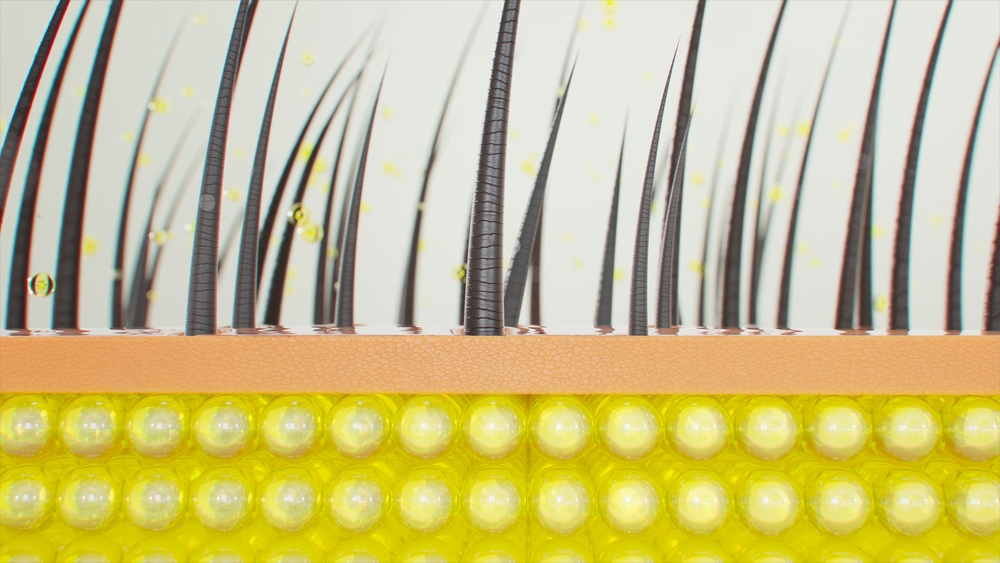
Hair loss is a concern that affects millions worldwide, often impacting one’s self-esteem and confidence. While there are various methods to tackle this issue, a revolutionary approach is making waves in the field of cosmetic medicine: stem cell hair restoration. This cutting-edge technique utilizes the regenerative power of stem cells to potentially offer a more effective, less invasive solution than traditional hair restoration methods.
Stem cells have the unique ability to develop into different types of cells, which makes them highly valuable in repairing and regenerating tissues, including hair follicles. By understanding how stem cells work and where they can be sourced for hair restoration purposes, individuals suffering from hair loss can explore promising alternatives to conventional treatments. The process involved in stem cell hair restoration aims to stimulate dormant hair follicles, promoting natural hair regrowth.
From offering the possibility of permanent results to minimal side effects and shorter recovery times, stem cell hair restoration holds a range of benefits. This article will delve into how stem cell hair restoration works, compare it with traditional techniques, discuss recent advancements in the field, examine its safety and effectiveness, and explore the future possibilities and ethical considerations tied to this remarkable therapy.
How Stem Cell Hair Restoration Works
Stem cell hair restoration is a cutting-edge technique in treating hair loss. It focuses on using the body’s own cells to promote hair growth. This innovative method targets the root causes of hair loss, like androgenetic alopecia. By stimulating the hair follicles, stem cells encourage new hair to grow. This approach contrasts with traditional hair loss treatments that might only offer temporary fixes. Stem cell therapy does not just address symptoms. It aims to regenerate hair growth by repairing and revitalizing follicles. This treatment paves the way for long-term solutions to hair thinning and baldness. Through understanding the science behind stem cells and their ability to regenerate tissue, we can appreciate their role in effective hair restoration.
Understanding stem cells
Stem cells are unique cells capable of developing into various types of specialized cells. These cells play a crucial role in regenerating and repairing tissues. In the context of hair restoration, hair follicle stem cells serve as the foundation for regrowing lost hair. They have the ability to differentiate into the specific cells needed for hair regeneration. Mesenchymal stem cells are often used because of their potential to promote growth. These stem cells can be harvested from different parts of the body, like the fat cells in the abdomen. Their adaptability makes them prime candidates in regenerative medicine, especially in treating pattern baldness.
Sources of stem cells for hair restoration
Selecting the right source of stem cells is vital for successful hair restoration. One common source is the patient’s own fat cells, often obtained from areas like the abdomen or thigh. These cells are rich in mesenchymal stem cells, which are known for their regenerative properties. Another source is platelet-rich plasma, which contains growth factors aiding in hair growth. The plasma is derived from the patient’s blood through a simple centrifuge process. It is combined with stem cells to boost hair density. Both of these sources are popular because they’re minimally invasive and leverage the body’s natural healing abilities. By using these cells, doctors target the underlying problems of hair loss more effectively.
Process of hair follicle regeneration
Regenerating hair follicles is at the core of stem cell hair restoration. The process begins with harvesting stem cells from the chosen source. Once collected, these cells are processed and injected into the scalp. These injections deliver the stem cells and growth factors directly to the site of hair loss. This promotes repair and regrowth of the hair follicle cells. As the cells work, they trigger the hair growth cycle, encouraging dormant follicles to produce new hair. This process gradually increases hair density and thickness. By revitalizing the human hair follicle, stem cell therapy offers a promising solution for rejuvenating hair and combating baldness. Over time, individuals may notice significant improvements in their hair’s health and appearance.
Benefits of Stem Cell Hair Restoration
Stem cell hair restoration is gaining popularity as an effective treatment for hair loss. This innovative method uses stem cells to help regenerate hair growth. With advances in regenerative medicine, stem cell therapy offers hope for people with androgenetic alopecia, pattern baldness, or female pattern hair loss. Unlike other treatments, this technique uses your own cells. It may lead to improved hair density and healthier hair shafts. Stem cell hair transplants may soon become a preferred choice over traditional hair restoration methods. Understanding the benefits can help individuals make informed decisions about their hair loss treatment options.
Less invasive than traditional methods
Stem cell hair restoration is less invasive compared to hair transplant surgery. Traditional methods often require the removal of strips of skin or individual hair follicles, which can be painful and result in scarring. In contrast, stem cell therapy involves injecting stem cells into the scalp. This process is more straightforward and causes minimal discomfort. The use of fat cells and growth factors in stem cell transplants helps stimulate natural hair follicle stem cells. This method encourages hair growth without extensive surgery, making it an appealing option for those who wish to avoid complicated procedures and prolonged recovery times.
Potential for permanent hair regrowth
Stem cell therapy holds the potential for permanent hair regrowth. Unlike temporary solutions, this approach uses the body’s natural regenerative abilities. Mesenchymal stem cells play a vital role in triggering the hair growth cycle. When activated, these cells can promote the generation of new hair follicles. This offers a more lasting solution to hair loss. By targeting the root cause of hair loss, stem cell treatments aim to restore your hair density permanently. While results can vary, many people experience a significant improvement in their hair health and thickness. This potential for lasting results makes stem cell therapy a promising avenue for those seeking long-term hair restoration.
Minimal side effects
One of the attractive features of stem cell hair restoration is the minimal side effects. Since the process involves using stem cells derived from your own body, the risk of adverse reactions is low. This therapy is safer compared to other treatments that may involve chemicals or foreign substances. Side effects, if any, are usually mild and temporary, such as minor swelling or redness at the injection site. Compared to other hair loss treatments, stem cell therapy for hair restoration offers a gentle approach. This makes it a preferable option for those who are concerned about potential complications or prolonged recovery periods.
Quick recovery time
A significant benefit of stem cell hair restoration is the quick recovery time. Traditional hair restoration techniques, such as surgery, can involve lengthy healing processes. Stem cell treatments generally allow patients to return to their daily routines much sooner. This is because the procedure is minimally invasive, causing less trauma to the scalp. People often notice improvements in hair density within a few months of treatment. The rapid recovery and noticeable results contribute to the growing popularity of stem cell therapy. For individuals seeking an effective and efficient treatment for hair loss, stem cell hair restoration offers a convenient solution with minimal downtime.
Comparison with Traditional Hair Restoration Techniques
Hair restoration has seen significant advancements over the years, offering hope to many experiencing hair loss. Traditional methods such as hair transplants have long been the standard. However, new therapies like stem cell treatment and platelet-rich plasma (PRP) have emerged as promising alternatives. Each method targets hair regrowth and density but differs in approach and effectiveness. Choosing the right treatment depends on individual needs and hair loss severity. Let’s explore how stem cell therapy compares to these more established methods and what makes it a unique option in the realm of regenerative medicine.
Stem cell therapy vs. hair transplants
Stem cell therapy and hair transplants are both popular treatments for hair loss, but they differ in several ways. Hair transplant surgery involves moving hair follicles from one part of the scalp to another, often used in cases of androgenetic alopecia. This method is effective but can be invasive and requires a recovery period. The results are usually permanent, resulting in improved hair density.
On the other hand, stem cell therapy utilizes the body’s regenerative abilities. It involves harvesting and injecting hair follicle stem cells or mesenchymal stem cells to promote new hair growth. This method aims to reactivate existing hair follicles and enhance the hair growth cycle. Stem cell therapy is less invasive than surgery and has the potential for broader applications due to its focus on regeneration.
While hair transplants offer immediate results, stem cell therapy may require multiple sessions for visible improvements. Each technique has its benefits, making them suitable for different individuals based on their specific hair loss stages and needs.
Stem cell therapy vs. PRP therapy
Stem cell therapy and platelet-rich plasma (PRP) therapy are both innovative treatments that focus on hair regeneration. PRP therapy uses a concentrated solution of patient’s own platelets to stimulate growth factors and repair damages in hair follicles. It involves drawing blood, processing it to concentrate the platelets, and injecting it into the scalp. This treatment enhances hair density and encourages the natural hair growth cycle, making it effective for androgenic alopecia.
Stem cell therapy takes a different approach by using stem cells to promote new hair growth. These cells are obtained from sources like fat cells or other parts of the body. Unlike PRP, stem cells mainly aim to rejuvenate and restore the biological functions of hair follicles.
While PRP therapy is less invasive with minimal downtime, its results may vary in effectiveness. Stem cell therapy offers the potential for more significant regeneration but might require more time to show visible effects. Deciding between these therapies depends on personal preference and how advanced one’s hair loss is. Each offers a unique role in hair restoration, providing hope for those grappling with hair thinning and baldness.
Recent Advancements in Stem Cell Hair Therapy
Stem cell hair restoration is making waves in the realm of treatments for hair loss. This innovative method promises a more natural and effective treatment for those with androgenetic alopecia, a common cause of hair thinning. Unlike traditional hair transplant surgery, stem cell therapy leverages the power of regenerative medicine to boost hair growth. By using growth factors from platelet-rich plasma and mesenchymal stem cells, this approach encourages the hair growth cycle, restoring hair density over time. The regenerative capacity of stem cells offers hope for those struggling with both male and female pattern baldness.
Innovations in donor site techniques
Donor site techniques have seen significant improvements, making stem cell hair transplants more efficient and less invasive. Traditionally, hair transplant surgery involves removing hair follicle cells from the back of the scalp. Now, advanced methods allow the harvesting of fat cells rich in stem cells. This process minimizes damage and enhances the role in hair loss treatment. Using mesenchymal stem cells from these fat cells, doctors can target female pattern hair loss more effectively. The new techniques ensure that hair follicle stem cells survive and maintain their regenerative power. This not only improves hair regeneration but also makes the procedure more comfortable for patients.
Enhancements in hairline restoration
Hairline restoration is vital for achieving natural-looking results in any hair restoration technique. Recent advancements in stem cell therapy focus on precise placement of human hair follicles. This ensures that new hair growth mimics natural patterns. Moreover, by utilizing growth factors in the treatment, the hair shafts gain resilience and better integrate with existing hair. These improvements in hairline restoration mean that patients can enjoy a fuller, more natural appearance. With the help of advanced imaging techniques, doctors can map out the best approach for each individual. This personalized planning enhances the success rate of restoration and leaves patients more satisfied.
Aesthetic outcome improvements
Aesthetic outcomes are a key consideration for anyone undergoing hair restoration. Stem cell therapy offers a significant advantage in this area by promoting uniform hair density. The treatment’s ability to tap into the natural hair growth cycle ensures a seamless transition between restored and natural hair. Patients notice an overall enhancement in appearance as the hair adopts a healthier look. Importantly, the use of platelet-rich plasma alongside stem cells boosts the effectiveness of the therapy for hair loss. This combination ensures hair growth is not only more robust but also longer-lasting. As a result, the aesthetic gains from stem cell hair restoration continue to be impressive, making it an increasingly popular choice.
Safety and Effectiveness
Stem cell hair restoration is gaining attention as an innovative treatment for hair loss. This approach uses stem cells to encourage hair growth and improve hair density. The therapy can be an option for those experiencing female pattern hair loss and androgenetic alopecia. While stem cell treatments are promising, it is crucial to understand their safety and effectiveness. Assessing the role of stem cell therapy in regenerative medicine involves looking at clinical trials and long-term outcomes. These factors will help determine if this method can become a mainstream solution for those dealing with hair loss.
Overview of Clinical Trials and Studies
Clinical trials are vital in assessing stem cell therapy for hair loss. Many studies explore how stem cells can help regenerate hair follicle cells. Most research focuses on mesenchymal stem cells from fat cells, which can stimulate hair growth. These cells can release growth factors and interact with human hair follicles. Advanced trials have shown improvements in hair density and hair regeneration. The research helps in understanding the hair growth cycle and stages of hair loss. Overall, studies are optimistic, yet more trials are necessary before widespread adoption.
Long-Term Effectiveness and Safety Concerns
The long-term effectiveness of stem cell hair restoration is still under review. Safety concerns often revolve around the potential for unwanted side effects. Some treatments include platelet-rich plasma combined with stem cells, which have shown mixed outcomes. While short-term results are promising, it’s important to monitor long-term effects. Patients need clear information about potential risks and outcomes. Hair transplant surgeries and other hair restoration techniques have set a high efficacy bar. Thus, ongoing research is crucial to ensure stem cell treatments for hair loss are both safe and effective over time.
Future of Stem Cell Hair Restoration
Stem cell hair restoration is an exciting development in the field of regenerative medicine. It promises an effective treatment for hair loss, which affects millions of people worldwide. This innovative therapy focuses on stimulating hair growth by using stem cells. These cells can develop into different types of human hair follicle cells. Scientists are exploring how mesenchymal stem cells and hair follicle stem cells can help restore hair density and improve overall hair health. Through this approach, stem cell therapy could offer a breakthrough in treating androgenetic alopecia and female pattern baldness.
Ongoing Research and Developments
Ongoing research in stem cell therapy for hair loss is both dynamic and promising. Scientists are experimenting with various stem cell sources. These include fat cells and bone marrow. One major focus is combining stem cells with platelet-rich plasma to enhance hair growth. The mixture is rich in growth factors that are essential for rejuvenating hair follicles. As studies advance, researchers are identifying the best methods to encourage hair regeneration and target specific stages of hair loss. This ongoing development aims to make stem cell hair transplants a viable option for more patients.
Addressing Genetic Factors in Hair Loss
Genetics plays a significant role in hair loss, especially in conditions like androgenic alopecia and female pattern hair loss. Researchers are exploring how stem cells can address these genetic factors. The focus is on understanding how hair follicle stem cells can alter the hair growth cycle. By studying these cells, scientists hope to reverse or slow down the effects of pattern baldness. Addressing genetic components is crucial in creating personalized treatments for individuals. This tailored approach may lead to more successful outcomes, offering hope to those affected by hereditary hair loss.
Ethical Considerations in Stem Cell Treatments
While stem cell hair restoration holds great potential, it also raises ethical questions. The source of stem cells and the methods used in treatments are often points of debate. Ensuring that stem cell treatments are safe and ethically sourced is important. Regulations must guide the way biological materials are obtained and used. There is also concern about the long-term effects of these therapies. Researchers and policymakers need to balance innovation with ethical responsibility. Continuous dialogue and oversight are crucial to ensuring that stem cell hair restoration is both effective and morally sound.